
Apr 14 • Jo Cox-Brown

The Future of the Night-Time Economy in Market Towns

When people think about the night-time economy, they often picture large cities filled with late bars, nightclubs and bustling entertainment districts. 
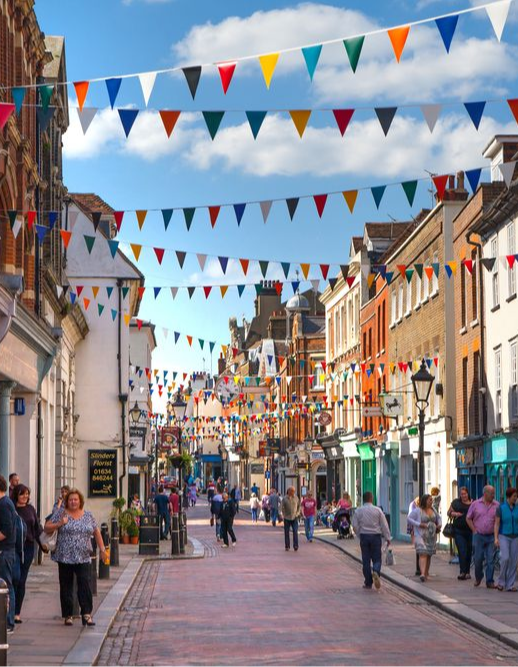
Yet across the UK and internationally, some of the most interesting developments in nightlife are emerging not in major metropolitan centres but in market towns and smaller urban areas. 

These places face very different challenges and opportunities. 

Their night-time economies are often smaller, quieter and more locally focused. But they also possess unique assets that larger cities sometimes struggle to replicate. 

Understanding the future of nightlife in these settings is increasingly important as towns seek new ways to revitalise high streets, support local businesses and strengthen community life. 

The Changing Nature of the High Street 

For decades the economic role of the high street was dominated by retail. 

As online shopping has grown, this model has weakened significantly. 

Many towns have experienced rising vacancy rates, declining footfall and reduced economic activity in traditional retail areas. 

The evening economy now offers one of the most important opportunities for reinvention. 

Restaurants, cafés, cultural venues, creative spaces and community events can bring life back to high streets after traditional retail hours. 

In this context the night-time economy becomes a key part of place regeneration. 
Write your awesome label here.

A Different Rhythm of Nightlife 

Unlike major cities, market towns rarely support large clusters of nightclubs or late entertainment districts. 

Instead their night-time economies tend to revolve around more diverse and community-oriented activities. 

These may include theatres, cinemas, live music venues, independent restaurants, pubs, community festivals and cultural events. 

This diversity often creates a more balanced night environment where different age groups and demographics share the same spaces. 

Families attending evening events, couples dining out, cultural audiences and hospitality customers all contribute to the evening atmosphere. 

This mixture can create environments that feel welcoming rather than dominated by a single type of activity. 

The Power of Cultural Programming 

One of the greatest opportunities for market towns lies in cultural programming. 

Evening markets, street performances, seasonal festivals and outdoor events can transform quiet streets into vibrant gathering places. 

These activities encourage residents to rediscover their town centres while also attracting visitors from surrounding areas. 

Importantly, cultural programming can also support local businesses by increasing footfall during evening hours. 

When combined with thoughtful place management, these initiatives can create a distinctive identity for the town at night.  
Write your awesome label here.

Building Safe and Inclusive Nights 

Safety remains a critical consideration for any night-time economy. 

Market towns often face different challenges from larger cities. 

Limited late-night transport, fewer policing resources and smaller hospitality sectors can create pressure points at peak times. 

Addressing these issues requires careful planning. 

Late transport options, safe taxi ranks, street lighting improvements and visible stewardship can all help ensure that evening environments feel welcoming and secure. 

Community partnerships also play an important role. 

Businesses, local authorities and community groups working together can create a shared sense of responsibility for maintaining safe public spaces.  

Supporting Independent Businesses 

Independent operators often form the backbone of market town night-time economies. 

Local restaurants, pubs, music venues and creative spaces contribute character and authenticity that chain businesses struggle to replicate. 

However these businesses also face significant pressures, including rising operating costs and changing consumer behaviour. 

Policies that support independent operators through flexible licensing, cultural grants and collaborative marketing initiatives can help ensure that these businesses continue to thrive. 
Write your awesome label here.

Reimagining the Future of Small-Town Nights 

Market towns are increasingly experimenting with new models of evening activity. 

Night markets, food festivals, late museum openings and community-led cultural events are helping redefine what nightlife can look like outside major cities. 

These initiatives highlight an important point. 

A successful night-time economy does not require large clubs or high levels of alcohol consumption. 

It requires places where people want to spend time together after dark.  
Write your awesome label here.

A New Chapter for Town Centres 

The future of the night-time economy will not be shaped only in global capitals. 

It will also emerge in market squares, high streets and community venues across towns and smaller cities. 

By investing in culture, supporting independent businesses and designing welcoming public spaces, these places can build evening economies that are vibrant, inclusive and resilient. 

The night-time economy is evolving. 

Market towns may be where its next chapter is written.