
Aug 12 • Jo Cox-Brown

The Essential Guide to Making Cities Family-Friendly at Night

Last night, as I wandered through the streets of Lisbon at 9:30 p.m. on a Monday, they were filled with families enjoying the night.

There were tile workshops on the street for families, ice cream shops buzzing, parks filled with community games, galleries and cultural venues open later and retail shops were open. The whole city felt alive and safe, so it got me thinking that when we design the night-time economy without families in mind, we overlook a rich opportunity. Families that feel welcome after dark mean fuller streets, safer communities, and stronger cultural and economic life.

Working with over 40 towns and cities across the UK, Ireland, and internationally, I’ve seen that families are drawn into evening life when there’s a sense of safety, engaging amenities, and convenient logistics.
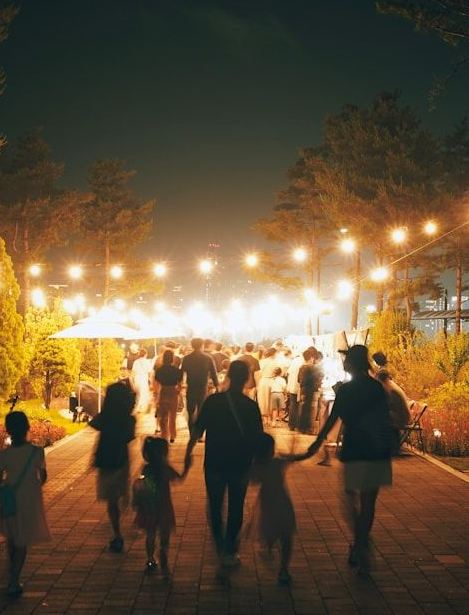
Why Family-Friendly Evenings Matter

Economic vitality. The night-time economy, from NYC to London, is a powerhouse. London’s night-time economy alone contributes around £26 billion annually, while New York’s brings in over $35 billion, powering jobs, transport, and hospitality. Expanding this to include family attractions significantly amplifies the ripple effect. Families spend across multiple sectors during a single trip, from food and drink to transportation, retail, and cultural activities.

Psychological well-being. Safer, visible, and social environments boost community life. Research shows that neighbourhoods perceived as safer have higher activity levels, which in turn improve natural surveillance and strengthen social cohesion. Family presence in public spaces also alters the energy of a place, creating a calmer and more welcoming atmosphere.

Population reach. In many cities, families make up between 25% and 35% of the population, meaning they represent a substantial market that is often underserved in night-time planning.

How Can We Make the Night-Time Economy More Environmentally Friendly?

1. Make Streets Feel Safe and Walkable

Families need visibility, lighting, and pedestrian-friendly streets after dark. Well-lit, walkable routes build confidence and increase dwell time.

Case Study. Vienna’s Safe Routes

Programmable lighting and signage link parks, shops, and cultural venues, encouraging families to explore evening life without fear.

2. Offer Early Evening Programming

Events from 5pm to 8pm provide a genuine night-time experience without disrupting family routines.

Example. Light Night Leeds. This public art festival fills early evening streets with performances and installations, drawing families and teens while evening transport runs smoothly.

3. Make Public Spaces Playful

Transform plazas and squares into playful, interactive environments where families can linger and connect.

Case Study. Montreal’s Quartier des Spectacles. Pop-up musical swings, illuminated seesaws, and children’s performances activate public spaces in the early evening, bringing families out and supporting local commerce.

4. Diversify Affordable Food and Drink Options

Evening outings succeed when contracts include cafes, street food, and family-friendly menus, not just fine dining.

Example. Street Feast, London Markets open early with affordable, communal dining. They’re relaxed and social for families before tipping into a more adult vibe later on.

5. Cultural Programming for All Ages

After-dark access to museums, galleries, and performances, along with family-focused programming, helps build lifelong cultural engagement.

Example: National Gallery of Singapore. Hosts children’s storytelling and interactive evening exhibits, attracting multiple generations and nourishing a shared cultural habit.

6. Integrate Transport and Travel Offers

Affordable, safe, and convenient transport, think family passes and lit waiting zones, makes evening trips hassle-free.

Case Study: Nottingham’s Family Network Tickets allow low-cost group public transport for multiple family members throughout evening hours, increasing event attendance and accessibility.

7. Listen to Families in Planning

Co-design builds relevance and trust. Involving families in the ideation process ensures that programming is safe, usable, and meaningful.

Example: Wellington Youth Council, NZ Collaborates with events teams to co-create evening cultural programming, drawing families into civic and cultural life.
Write your awesome label here.

Final thoughts

Creating family-friendly night-time environments yields positive returns:

  • Economic: Sustained evening spending in cafes, attractions, transport, plus jobs across multiple sectors.
  • Wellbeing: Safer, happier communities with improved social connections.
  • Cultural: Early engagement builds future audiences for arts, music, and venues.

This isn’t just nice to have, it’s strategic, sustaining, and increasingly recognised worldwide.

If you're a city leader, venue, or festival curator ready to unlock night-time family potential, my team is ready to help with strategy, programming, and execution.