Aug 11 • Jo Cox-Brown

How to Make Nightlife, Festivals & Night-Time Spaces More Inclusive

Nightlife has the power to connect us to music, to movement, to each other. 

But for too many people, that connection remains out of reach. 

We've been studying cities at night for nearly nine years now. After talking to thousands of disabled, neurodiverse and other excluded groups across 40 global towns and cities, we have a good understanding of the barriers that people face. Did you know that, under the Public Sector Equality Duty (PSED) of the Equality Act 2010, every UK town and city is required to have a disability strategy or plan for their places and spaces? However, I have yet to find any that are up to date, and in most cases, no place or space has one.

Whether it’s a lack of step-free access, overstimulating environments, inaccessible transport, or feeling unsafe due to gender, race, or identity, there are still far too many barriers to truly inclusive experiences after dark.

As someone who has spent decades working in and with the nightlife industry, I know this world can be transformative. I’ve seen raves bring strangers together, small venues give birth to global stars, and festivals become places of healing, joy, and collective celebration.

But if these spaces are only welcoming to some, we all lose.

The future of nightlife must be inclusive, not as an afterthought, but as a foundational principle.
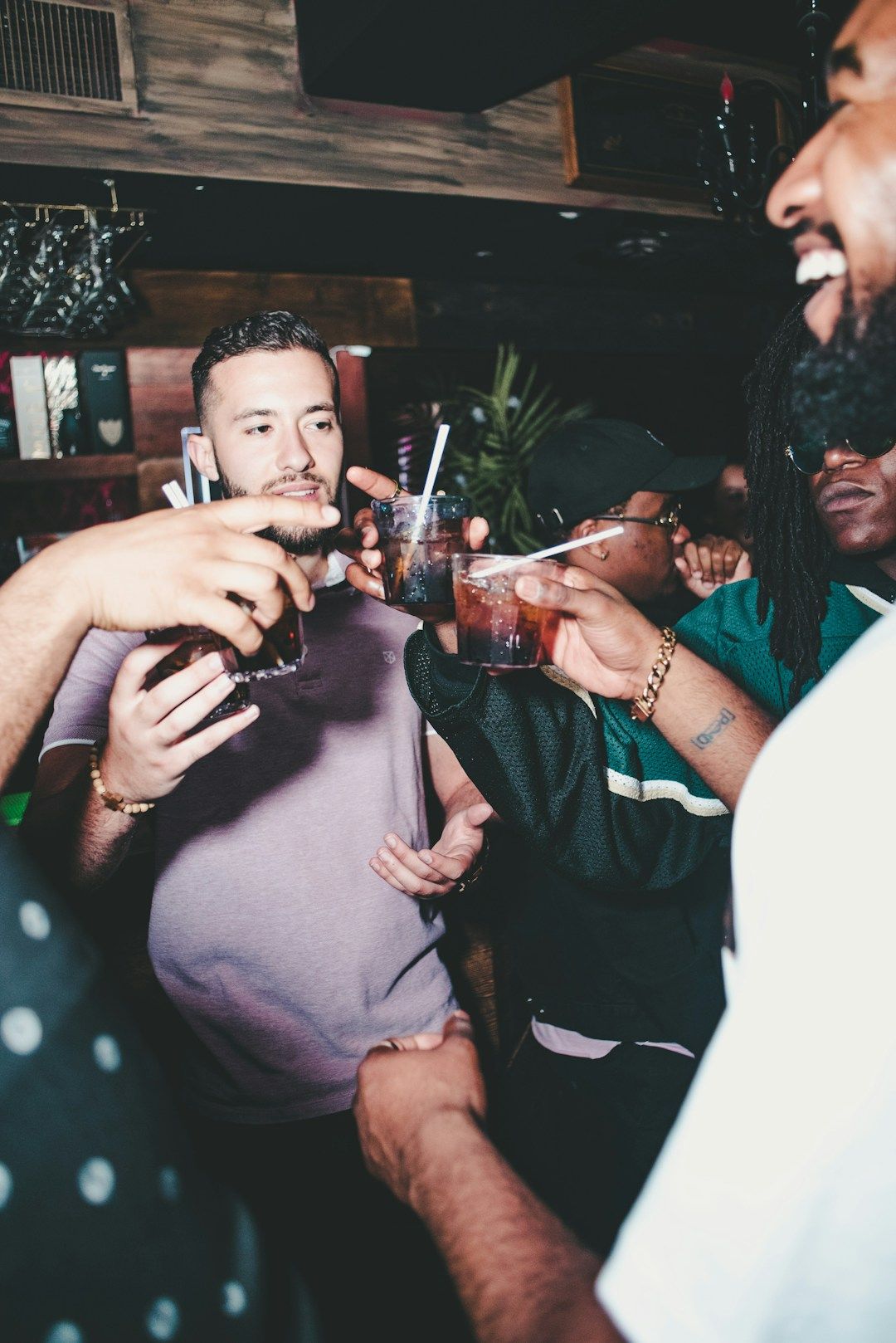
Who gets left out?

Let’s get real about who is still being excluded:

  • Disabled people, including wheelchair users, d/Deaf or blind guests, and those with chronic pain or fatigue
  • Neurodivergent individuals, such as people with autism, ADHD, or sensory processing differences
  • Older adults who may love nightlife but feel out of place or unsupported
  • LGBTQ+ communities in areas where safety and visibility are still concerns
  • People of colour who experience racism in door policies or crowd dynamics
  • People in recovery who want to enjoy nightlife without being surrounded by alcohol or drugs
  • Parents or carers who need flexible, accessible environments
  • Inclusion isn’t about being politically correct. It’s about designing spaces where everyone can belong, express themselves, and feel safe.

What Needs to Change?

We've interviewed thousands of people in over 40 towns and cities via focus groups, individual calls, e-surveys and overnight city and place audits globally and here is what they have told us.

Essential components

1. Start With Access, Not Add It Later

Many venues still overlook accessibility as an afterthought. This needs to change. I recall when I was designing the Malt Cross and committed to creating the most beautiful, accessible toilet for our art gallery, music studio, and craft space. The gorgeous tiles and flooring were not an afterthought but a necessity.

  • Step-free access to all spaces, not just the main entrance
  • Viewing platforms and preserved dancefloor areas for wheelchair users
  • Lowered bar counters or table service options so people in wheelchairs or of shorter stature can order and be served
  • Clearly marked walkways for flow of movement, especially important for blind, visually impaired or mobility-restricted guests
  • Good lighting to support visibility and navigation
  • Clean, accessible toilets in multiple locations
  • Clear evacuation plans for people with mobility needs

Case study: Boomtown Fair has implemented accessible viewing platforms, toilets, quiet spaces, and on-site access support teams, all of which were co-designed with people with disabilities.

2. Rethink Transport and Ticketing

Getting to and from a venue can be just as tricky as navigating it. Inclusivity starts before someone arrives. I remember being in a UK city performing an overnight audit and watching as a man in a wheelchair was turned away from five taxis, all of which had disabled access. Still, they obviously couldn't be bothered to put the ramps down. Eventually, feeling the man's frustration, I intervened and reminded the next taxi driver of their legal duties, advising that if they weren't compliant, I would report them. But disabled people should not need the intervention of an able-bodied person; they should have unlimited free access.

  • Work with local authorities to improve late-night public transport routes and safety
  • Offer access tickets with companion options or free PA passes
  • Let attendees pre-book access support online from ramps to interpreters, preferably at the point of ticket sale, rather than having to email or call the venue
  • Provide info on parking, drop-off points, and clear signage on arrival

Example: Attitude is Everything provides excellent guidance for making ticketing and access info seamless for disabled gig-goers.

3. Provide Trained Access & Welfare Teams

  • Having dedicated, trained staff makes all the difference between someone struggling quietly and being able to enjoy the night.
  • Include access and welfare staff onsite, easy to spot, empowered to help
  • Train security and bar teams on how to support disabled, neurodivergent and vulnerable guests with dignity
  • Offer pre-event welcome packs with access info and support options

Example: The Roundhouse in London offers Access Hosts, available before and during events, to support guests in a non-judgmental and practical manner.

4. Embrace Sensory Inclusion

I'm neurodivergent and love nightlife. I love being able to disappear into the darkness and dance; just feeling the music flow through my body is a spiritual experience. But nightlife is intense, and that’s not for everyone. I have attended many festivals and felt overwhelmed, needing somewhere calm to escape, only to find that there's little respite. What can be done to promote inclusivity?

  • Provide sensory maps, quiet rooms, and non-flashing light areas
  • Provide spaces where people can lose themselves in creativity, such as drawing, or with electronic simple games or fidgets, to refocus
  • Consider lower-sensory nights or early events
  • Use clear signage and a predictable wayfinding experience that is clearly explained online and on arrival.
  • Use trained crowd spotters to identify individuals who may be struggling and invite anyone who needs assistance to a quieter area.

Example: Shambala Festival offers quiet camping, sensory-friendly chillout zones, and inclusive programming with neurodiverse advisors.

5. Make it Sober-Optional

The sober-curious movement isn’t niche, it’s a sweeping cultural shift, driven by younger generations prioritising health, mindfulness, and wellness. Whether it’s reduced consumption, longer-term sobriety, or demand for substance-free experiences, the momentum is undeniable. The global non-alcoholic beverages market is projected to grow from USD 1.41 trillion in 2025 to USD 2.68 trillion by 2034, maintaining a strong CAGR of around 7.3%.
  • Not all nightlife needs to revolve around alcohol.
  • Provide quality non-alcoholic drinks, not just soda or water
  • Host sober raves, early morning events, or wellness-inspired nightlife
  • Include recovery-friendly spaces and communication

Example: Sober is the New Black and Morning Gloryville show how joyful nightlife can be without alcohol at its centre.

6. Design With, Not For, Communities

The best inclusion work occurs when you involve people in the process. Every time we develop a nighttime strategy, we work with communities through focus groups, surveys, one-on-one phone calls, overnight street audits, and stakeholder workshops. This is not just lip service but a deep dive into the needs of communities. We are designing nighttime strategies with the communities that will then use the town or city at night.

  • Co-design with disabled, neurodivergent and marginalised groups, making sure everyone is represented.
  • Test ideas, gather feedback, not just once, but on an annual basis
  • Feature artists, DJs, and creators from diverse communities in your lineup, and ensure the stage, dance floor, bar area, toilets, and DJ booth are accessible. Funding is available to support this initiative.

Example: The Manchester International Festival runs year-round engagement with underrepresented communities to shape its programming and access.

The Opportunity:  Why it Matters for Cities

According to the World Health Organisation, approximately 1.3 billion people worldwide experience a significant disability, which represents about 16% of the global population or 1 in 7 people.

Cities or businesses that get this right benefit from:
  • A wider, more loyal customer base
  • Safer, more vibrant night-time environments
  • Better cultural representation
  • Positive national and global reputation

Inclusion builds community. It enhances safety. And it unlocks creativity.

The night-time economy is changing, and that’s a good thing. We’re moving beyond loud, crowded spaces made for the few, toward inclusive, thoughtful, multi-sensory experiences designed for all.

If you’re running a venue, festival, city program, or cultural event and want to incorporate inclusion into your nighttime offerings, my team and I can assist with applying for funding, providing training, developing policies, and conducting audits.

Let’s build a nightlife culture where everyone feels seen, and no one is left out of the music. If you are serious about improving inclusivity, then a great fund is available for disabled artists to push the boundaries. 
Write your awesome label here.

Funding spotlight: Unlimited Awards for Disabled artists

The UK’s leading commissioner for disabled artists, Unlimited, has opened applications for its latest awards programme, offering a total of £413,000 in funding. These awards support ambitious and high-quality projects across all art forms, providing vital resources to help artists with disabilities create and present their work. This is an incredible opportunity for artists to secure support for bold, innovative ideas that challenge perceptions and drive change.