
Jan 23 • Jo Cox-Brown

Designing Safer Nights for All: What Cardiff’s LGBTQIA+ Safety Review Teaches Every City

There’s a sentence I keep returning to when I speak to councils, venue operators, police, and licensing teams: 
If a city can safeguard LGBTQIA+ people at night, it can safeguard everyone. 

Because LGBTQIA+ safety isn’t a niche agenda. It isn’t a “nice to have”. It is the sharpest test of whether a city genuinely knows how to manage risk, harm, vulnerability, and belonging after dark. 

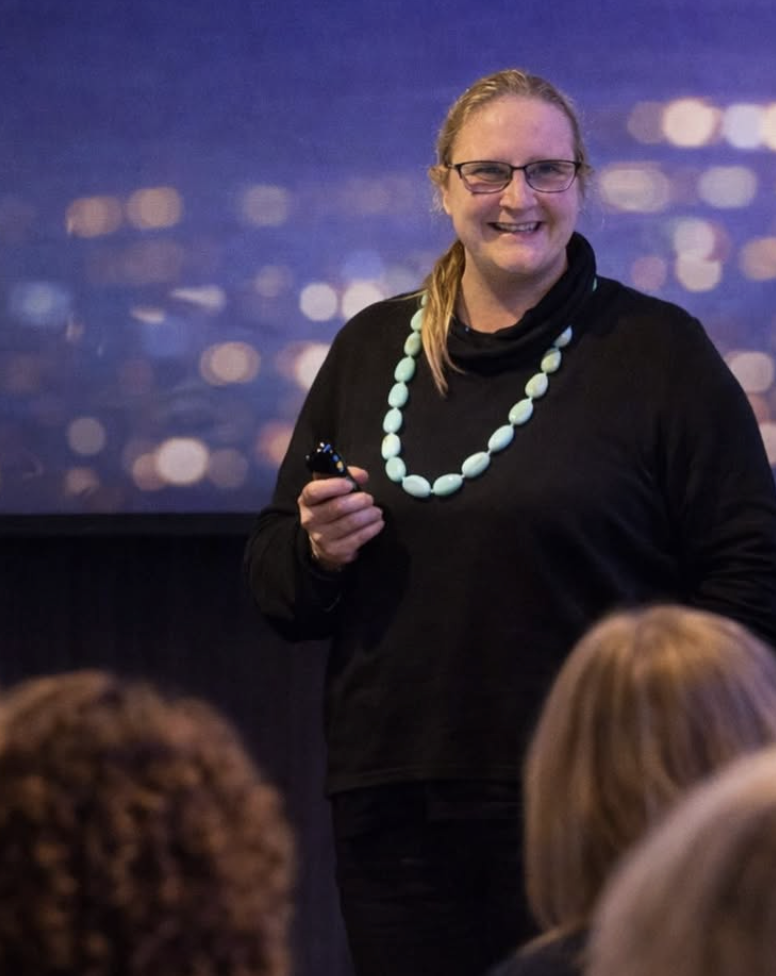
On Wednesday 28 January, I’ll be sharing the Cardiff case study as a speaker at the Institute of Licensing Safeguarding Conference (online), exploring what it takes to design safer nights for LGBTQIA+ people, and why this work strengthens safeguarding for all night-time users. (Event listing here: https://instituteoflicensing.org/events-listing/

The findings come from the Cardiff LGBTQIA+ Safety in the Nighttime Economy Review, commissioned by FOR Cardiff and developed by Night Time Economy Solutions, a deep dive into the lived experience of LGBTQIA+ people at night and what practical action looks like across licensing, partnership working, venues, public realm and transport. Read the review here.

Why LGBTQIA+ safety is a licensing and safeguarding issue

The evening and night-time economy is an environment where vulnerability naturally increases: 
  • alcohol and drug consumption 
  • crowd density 
  • late hours and reduced guardianship
  • reduced public transport and higher dispersal risk 
  • elevated antisocial behaviour 

Now layer on the reality that LGBTQIA+ people can face: 
  • harassment 
  • targeted intimidation 
  • discrimination 
  • hate incidents 
  • sexual harassment and objectification (particularly for trans people and queer women) 
Suddenly, LGBTQIA+ safety becomes a direct reflection of how well a city is delivering the very foundations of licensing and safeguarding: 
  • crime and disorder prevention 
  • public safety 
  • protection of vulnerable people 
  • effective partnership response 
This is exactly why licensing matters. 

Licensing isn’t just regulation. It’s one of the strongest tools we have to design safer nights, through conditions, training, reporting standards, partnership requirements, and operational planning. 

The Cardiff Review: a blueprint for place-based LGBTQIA+ safeguarding 

FOR Cardiff commissioned Night Time Economy Solutions to carry out an in-depth review of LGBTQIA+ safety within Cardiff’s night-time economy. 

The purpose was simple but vital: 
to u
nderstand how LGBTQIA+ people experience Cardiff at night, and what would make it safer. 
This wasn’t a “tick-box” consultation. It used a robust mixed-method approach: 

  • consumer survey responses from LGBTQIA+ night-time users 
  • stakeholder interviews (police, council, health, venues, community organisations) 
  • LGBTQIA+ focus groups 
  • an overnight audit (7pm–3am) with frontline observations of the city in operation 

The outcome: a set of practical, partner-wide recommendations to strengthen safety, inclusion and belonging for LGBTQIA+ people at night. 

But the findings don’t only matter for Cardiff. 

They matter for every city trying to balance vibrancy with safety, culture with control, freedom with responsibility. 

How LGBTQIA+ people use Cardiff at night (and why this matters) 

The review reinforced something that often gets overlooked in public debate: LGBTQIA+ people want the same freedom as everyone else to enjoy their city at night. 

They come into the city for: 
  • bars and restaurants 
  • LGBTQIA+ specific venues 
  • LGBTQIA+ nightclubs and events 
  • music venues and cultural offer 

And the timings are familiar: 
  • peak entry in early evening 
  • peak dispersal after midnight 
  • increased risk the later it gets, especially at weekends 

That should immediately focus minds on one key fact: The safeguarding risk increases precisely when people are leaving, not when they arrive. 

This is where cities win or lose the safety battle: 
  • routes home 
  • travel transitions 
  • late-night transport gaps 
  • crowd behaviour and intimidation

What helps LGBTQIA+ people feel safe 

Safety isn’t only a policing issue. It’s a culture issue. A design issue. A partnership issue. 

The review showed that LGBTQIA+ people feel safer when: 
they are inside environments where inclusion is explicit 
venue staff are visibly trained and proactive 
door teams manage behaviour effectively 
there is clarity on where to go for help 
transport and dispersal feels safe and supported 

In short: safety increases when people feel held by the system. Not watched, judged, or blamed but seen and held.

What makes LGBTQIA+ people feel unsafe 

The strongest drivers of fear were not obscure. They were painfully familiar. 

People avoid the night-time economy due to: 
general safety concerns 
drunkenness and rowdiness 
antisocial behaviour 
hate incidents and discrimination 
lack of late transport options 

Qualitative themes included: 
groups of intoxicated men 
street intimidation 
drug use and unpredictable behaviour 
feeling followed 
public disorder and hostility 

And it’s worth stating bluntly:  Some LGBTQIA+ people don’t stop going out because they no longer want nightlife. They stop going out because the risk feels too high. That is a safeguarding failure. And it impacts footfall, economy, culture, and wellbeing. 

Inclusion, visibility and accessibility: progress and gaps 

There is a lot to be proud of in Cardiff. 

LGBTQIA+ visibility is increasing. Many people describe the city as progressive. There is an identifiable and valued LGBTQIA+ offer. 

But the review also highlighted gaps: 
  • accessibility barriers (including wheelchair access challenges) 
  • need for greater provision for LGBTQIA+ women 
  • need for stronger safety focus for trans and non-binary people 
  • inconsistent awareness of LGBTQIA+ events/venues, often relying on “invitation culture” 

In other words: Visibility has improved, but safety isn’t distributed equally across the community. And that matters. Because “LGBTQIA+ safety” can’t just mean “gay men feel safe in certain venues”. 

It must mean: 
  • trans safety 
  • queer women’s safety 
  • intersectional safety (QTBIPOC, disabled LGBTQIA+ communities, neurodivergent LGBTQIA+ people) 
  • safe access to the entire city, not only LGBTQIA+ “islands” 

LGBTQIA+ night-time trends: why cities need to update their mental model 

Here’s the truth: the LGBTQIA+ nightlife landscape has changed. 

In many UK towns and cities we’re seeing: 
  • pop-up queer nights rather than fixed “gay villages” 
  • hybrid spaces (bars/cafes/cultural venues hosting queer nights)
  • stronger community-led programming 
  • rising day culture (brunch, day raves, earlier starts) 
  • increased variety of music scenes (including underground queer techno/hard dance) 
  • rising demand for sober queer spaces 
  • evolving harm trends and a more complex drug environment 

This matters because safeguarding models need to evolve too.  If the party is moving, safeguarding must move with it. 

The future: designing safer LGBTQIA+ nights 

People sometimes think LGBTQIA+ safety equals rainbow flags, Pride posters and good intentions. 

But safety is not branding.  Safety is design. Designing safer LGBTQIA+ nights requires five system moves: 

1) Engagement that isn’t performative 
  • ongoing community voice, not one-off consultation 
  • dedicated LGBTQIA+ engagement strategy 
  • representation in decision-making spaces 

2) Visible safety infrastructure 
  • safe spaces/help points 
  • clear signage and “where to go” information 
  • safe routes with lighting and visibility 

3) Venue safeguarding standards 
  • consistent staff training 
  • door supervision aligned with harm reduction 
  • strong behaviour standards and clear consequences for harassment 

4) Safer dispersal 
  • transport that matches actual night-time patterns 
  • safe movement through the city at closing times 
  • attention to hotspots and flashpoints 

5) Data, reporting and accountability 
  • consistent reporting pathways 
  • tagging and tracking LGBTQIA+ related incidents 
  • partnerships that use data to improve practice (not to hide harm) 
Write your awesome label here.

Final thoughts

Cardiff’s review offers a replicable model. 

Not because the city is perfect, but because the approach is real: 
  • community voice 
  • partnership insight 
  • frontline audit 
  • practical delivery actions 

And the biggest lesson is this: Place-based safeguarding is the future. 

Because harm doesn’t begin at a venue door and end at last entry. It starts with: 
  • how the city feels 
  • what risks are normalised 
  • whether people trust the system 
  • whether they know where help is 
  • whether help is respectful, trained and responsive 

Cities that get this right create safer nights for LGBTQIA+ people.  And in doing so, they create safer nights for everyone. 

#Safeguarding#NightTimeEconomy#Licensing#LGBTQIA#Inclusion#CommunitySafety#HateCrimeAwareness#ViolencePrevention#SaferNights#PublicSafety#PlaceManagement#CityCentres#Hospitality#PartnershipWorking#EqualityDiversityInclusion#InstituteOfLicensing#LicensingLaw#NightTimeEconomyStrategy#LocalGovernment#CommunitySafety#SaferStreets#PublicHealth#CrimePrevention#HarmReduction#VenueSafety#CityManagement#StakeholderEngagement#InclusiveCities#EDI#StrategicPartnerships